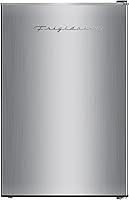
Midea vs Frigidaire Mini Fridges: Which Is Better? (October 2026)
For a Midea vs Frigidaire mini fridge choice, pick the small Midea when height is limited, the larger Midea for chilled food without a freezer, or Frigidaire for more storage and a small freezer compartment.
On this page (9 sections)
- Midea vs Frigidaire mini fridge: what is the main difference?
- Which one fits your space?
- Who should buy each model, and who should skip it?
- How much room do your food and drinks really need?
- Which mini fridge is quieter or uses less energy?
- How should you set up either brand?
- What care and daily habits prevent problems?
- Which buying mistakes matter most?
- Which should you choose: Midea or Frigidaire?
Choose Midea for a low cabinet or freezerless storage, and Frigidaire for more total room with a small freezer compartment. This Midea vs Frigidaire mini fridge comparison comes down to how much space you have and what you'll put inside.
The smallest model suits a personal snack supply, the taller Midea suits chilled lunches and groceries, and Frigidaire suits a larger shared stash. None is the right choice for someone who needs substantial frozen-food storage.
Start with the cabinet measurements below, then plan a normal week's contents. A fridge that fits your room but can't hold your lunch containers is still the wrong size.

Midea vs Frigidaire mini fridge: what is the main difference?
The main difference is storage layout and cabinet shape: one Midea saves height, the other skips the freezer, and Frigidaire gives you the most total capacity. These are 3 different buying choices rather than a simple brand contest.
A small secondary fridge doesn't need to do everything your kitchen refrigerator does. If it only holds tomorrow's lunch and a few drinks, giving up capacity can free useful room beside a desk.
A fridge used for regular groceries needs a different plan. Leave room for food containers, produce and leftovers instead of counting only how many cans you could stack inside.
Frozen storage is a separate decision. The small Midea has a chiller box, the larger Midea is freezerless, and Frigidaire has a small internal freezer compartment.
Don't assume a chiller box can replace a freezer for long-term storage. For the Frigidaire, check the manual's storage guidance and confirm the compartment can hold the items you actually buy.
Our mini fridge size and type guide explains the layout choices in more detail. If none of these shapes suits your room, use our best mini fridges guide to compare other options.
Which one fits your space?
The small Midea needs the least height, while Frigidaire needs the most width and depth. Use the cabinet measurements as a starting point, then add the ventilation and opening space required by the manual.
| Model | Width | Depth | Height |
|---|---|---|---|
| Midea 1.6 cu ft | 18.6 in | 17.7 in | 19.4 in |
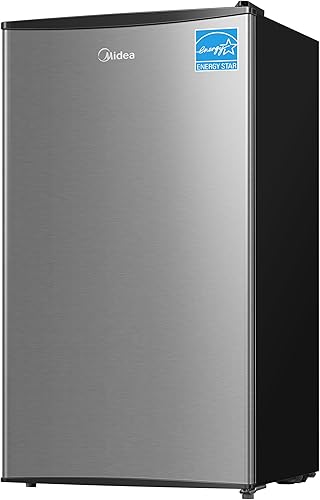
| Midea 3.3 cu ft | 18.6 in | 17.7 in | 33.9 in |
| Frigidaire 4.5 cu ft | 22 in | 21 in | 32 in |
Midea vs Frigidaire mini fridge fit under a desk
The short Midea is the strongest choice below a desk, but measure beneath drawers and support rails, not just beneath the desktop. Check where your knees, chair and power cord will go before giving up that space.
The taller Midea uses the same cabinet width and depth as its smaller sibling. It makes sense beside a desk or in a narrow open spot when you can use vertical space.
Frigidaire is slightly shorter than the taller Midea but takes more floor space. Mark its footprint with painter's tape so you can see whether it crowds a walkway or seating area.
All 3 are freestanding models, so don't treat a snug cabinet opening as suitable built-in housing. A flush back or reversible door doesn't remove the need for airflow.
Check the door swing with nearby furniture in place. You need enough access to reach the back of the fridge and remove shelves, not merely enough space to crack the door open.
Who should buy each model, and who should skip it?
Buy the small Midea for personal overflow, the taller Midea for chilled meals, or Frigidaire for shared storage. Skip any model whose layout forces you to change what you normally buy.
Midea 1.6 cu ft: for a small personal supply
The smaller Midea suits someone who wants drinks, yogurt, fruit and a lunch close by. It also works as overflow when a main kitchen fridge already handles groceries and frozen food.
Its removable glass shelf helps with an occasional tall or awkward container. Removing that shelf trades a second storage level for height, so think about what else must fit at the same time.
The door includes a 2 L bottle rack, and Midea says the chiller box can cool drinks faster. Keep delicate food away from very cold surfaces if you notice partial freezing.
Skip this model if you plan to store several days of meals alongside a full drink supply. A short cabinet is useful only when you can live with its limited interior.
See our Midea 1.6 cu ft mini fridge review for a closer look at this compact option.
Midea 3.3 cu ft: for chilled lunches and groceries
The taller Midea suits an office lunch station or a room where frozen food stays elsewhere. Its freezerless layout keeps the interior focused on refrigerated storage.
A bottle rack and can rack give drinks their own places, while the LED light helps you find food in a dim room. That combination is useful when you'll reach inside several times a day.
Choose it for a routine built around chilled containers, fresh food and drinks. Skip it if you expect to keep frozen lunches ready for the microwave, since there is no freezer compartment.
Don't mistake a thermostat's cold setting for frozen-storage capability. Turning this fridge down doesn't change its freezerless design.
Frigidaire 4.5 cu ft: for a larger shared stash
Frigidaire suits a shared snack area, apartment overflow or a room where several people keep drinks and food. Its glass shelves, can dispenser and large-bottle basket help separate different items.
The small freezer compartment adds a place for limited frozen storage, subject to its temperature guidance. Measure your usual frozen packages before deciding that the compartment solves your needs.
Skip Frigidaire if you mainly want a few drinks beside a desk and floor space is scarce. Also skip it if frozen food takes up a large part of your weekly shop.
Our Frigidaire 4.5 cu ft compact refrigerator review covers its storage features in more detail.
How much room do your food and drinks really need?
Plan around your largest everyday containers, then leave space to reach them without unloading the fridge. Cubic feet describe overall capacity, but shelf shape and packaging decide how useful that room feels.
Set out the items you expect to store at once. Include the lunch bag's contents, a milk bottle, leftovers and drinks waiting to cool, rather than an ideal version of your shopping habits.
Check the width and depth of your meal containers. A container that fits only diagonally can waste space beside it, while stacked containers make the bottom meal harder to reach.
Door racks are useful for bottles and cans, but they don't replace shelf space for boxed meals. If lunches are your main reason for buying, prioritize the main compartment over drink organization.
Keep a clear route for cold air instead of packing food tightly against every surface. Overfilling also makes it easier to forget leftovers at the back.
For shared use, assign a shelf or section to each person and label food with dates. If everyone's normal supply won't fit without crowding, choose more capacity or restock more often.
Which mini fridge is quieter or uses less energy?
Midea provides noise figures for both models, while Frigidaire lacks a comparable figure here. Midea states sound levels below 42 dB, but that doesn't tell you exactly what you'll hear beside your bed.
Compressor cycling, room surfaces and distance all affect how noticeable a fridge sounds. A quiet room can make a brief hum or click more apparent than a busy office would.
Place the fridge on a stable, level surface and keep it from touching furniture. Loose objects on top or bottles touching inside can add rattles that aren't solved by changing brands.
For energy use, Midea states 207 kWh per year for the small model and 260 kWh per year for the taller one. The smaller figure comes with less storage, so choose the capacity you need before comparing consumption.
Frigidaire's annual consumption needs confirmation from its EnergyGuide label before a fair running-cost comparison. Don't choose it on the assumption that a larger or smaller cabinet alone determines electricity use.
For a sleep space, our guide to quiet mini fridges helps you weigh sound alongside size. The mini fridge for bedroom guide also covers placement choices.
How should you set up either brand?
Follow the manual's transport, clearance and startup instructions before loading food. Good placement matters because a fridge needs to release heat as well as keep its contents cold.
Keep the fridge upright during transport where possible. If it has been tilted or laid down, follow the model's required upright waiting period before plugging it in rather than using a guessed delay.
Choose a firm, level location away from direct sunlight and nearby heat sources. Use the leveling adjustments as directed so the cabinet is stable and the door seals properly.
Reverse the door before filling the fridge if your layout needs the opposite swing. Check that the seal meets the cabinet evenly after any hinge work.
Wipe the interior, dry it and let the fridge cool before adding perishable food. Use a refrigerator thermometer to confirm the main food compartment stays at 40°F or below.
A thermostat dial isn't a temperature reading, and its highest number doesn't necessarily mean the warmest setting. Follow the control instructions, make small changes and allow time for temperatures to settle.
The taller Midea's adjustable range extends above safe refrigerated-food temperatures. A setting suitable for your preferred drink temperature still needs checking before you store milk, meat or leftovers.
What care and daily habits prevent problems?
Keep the seal clean, leave airflow space and deal with frost before it builds up. All 3 models use manual defrost, so allow for occasional care rather than expecting maintenance-free use.
Wipe spills promptly and keep food covered. Sticky residue around a door seal can prevent a clean closure, while uncovered food can spread odors through a small interior.
Store raw food in a sealed container where leaks won't reach ready-to-eat meals. Date leftovers and rotate older food forward so the extra fridge doesn't become forgotten storage.
Check the door after placing a tall bottle in its rack. Food or packaging that pushes against the door can keep the seal open even when the cabinet appears closed.
When frost needs removal, move food to suitable cold storage and follow the manual's defrost steps. Never chip ice away with a knife or another sharp tool.
Our mini fridge defrosting guide explains the process. For spills, shelves and seals, follow our mini fridge cleaning guide.
Don't use a colder thermostat setting to compensate for blocked airflow or a door that won't close. Correct the cause first, then check the temperature again after the fridge has stabilized.
Which buying mistakes matter most?
The biggest mistakes are choosing by brand, ignoring clearance and expecting too much frozen storage. Avoid those errors before comparing small convenience features.
- Buying for an empty room: Measure with the desk chair, bed or nearby door in its normal position.
- Counting drinks but forgetting meals: Include your largest food containers in the storage plan.
- Treating every cold box as a freezer: Choose a layout meant for the foods you need to keep.
- Assuming a noise claim means silence: Plan distance from your pillow or work chair as well as cabinet size.
- Using a normal indoor fridge in harsh temperatures: Confirm the model's allowed room-temperature range before choosing a garage or other unconditioned space.
- Buying maximum capacity without a reason: Extra storage helps only if you need it and can give the cabinet suitable space.
A short list of required items makes the decision easier. Write down your available opening, normal food supply and frozen-storage needs before ordering.
Which should you choose: Midea or Frigidaire?
For your Midea vs Frigidaire mini fridge decision, remove any model that fails the space or food-storage check first. Then choose the smallest cabinet that comfortably supports your normal routine.
Pick the small Midea if the fridge is a personal convenience beside a desk and height is limited. Pick the taller Midea if chilled lunches and groceries matter more than frozen storage.
Choose Frigidaire when you need more shared storage and can make use of a small freezer compartment. Allow for its larger footprint before letting the extra capacity settle the choice.
If frozen meals are central to your routine, widen the search to a model with a separate freezer section. Our mini fridges with freezers guide is the useful next step.
Frequently asked questions
Is Midea or Frigidaire better for a mini fridge?
Midea is the better fit here for limited height or freezerless food storage, while Frigidaire suits buyers who want more total room and a small freezer compartment. Choose between these specific models by measuring your space and planning what you'll keep inside, rather than choosing by brand alone.
Which brand has the larger mini fridge in this comparison?
Frigidaire has the largest stated total capacity at 4.5 cu ft, compared with the 3.3 cu ft and 1.6 cu ft Midea models. Its cabinet also needs more width and depth, so check floor space, ventilation clearance and the door swing before choosing the extra storage.
Does the Midea 3.3 cu ft mini fridge have a freezer?
No, the Midea 3.3 cu ft model is freezerless and is for refrigerated food and drinks. Choose it when you already have a freezer elsewhere or don't need frozen storage, and skip it if frozen lunches or ice cream are part of your regular fridge routine.
Which mini fridge is easiest to fit under a desk?
The Midea 1.6 cu ft model is the easiest starting point because it has the shortest cabinet. Measure below the desk frame and drawers, allow the ventilation clearance in its manual, and check that the open door won't block your chair or prevent you from reaching the shelf.
Are the doors reversible on these mini fridges?
Yes, all 3 models have reversible doors, so you can choose the opening direction that suits your room. Follow the hinge instructions before loading the fridge, and allow enough space beside it for the door to open fully enough to reach food and remove shelves for cleaning.