Igloo vs Frigidaire Mini Fridge: Which Is Better? (October 2026)
In this Igloo vs Frigidaire mini fridge comparison, choose Igloo for easier upkeep, Frigidaire 4.5 cu ft for larger grocery loads, or Frigidaire EFR323 for flexible door placement in a smaller-capacity fridge.
On this page (8 sections)
- Igloo vs Frigidaire mini fridge: what is the main difference?
- Which model suits your groceries and daily routine?
- Which mini fridge fits your available space?
- Which model is better for frozen food?
- How should you set up and organize either brand?
- How do defrost and cleaning needs compare?
- Which common buying mistakes should you avoid?
- Which Igloo vs Frigidaire mini fridge should you choose?
For Igloo vs Frigidaire mini fridge shoppers, choose Igloo for easier upkeep, the larger Frigidaire for bigger grocery loads, or the EFR323 when door direction matters most. The right choice depends on what you store and where the door can open.
These are 3 specific refrigerators, so this comparison doesn't rank every model from either brand. SeriouslySnug's scores reflect their storage features, care needs and fit for the buyers discussed below.

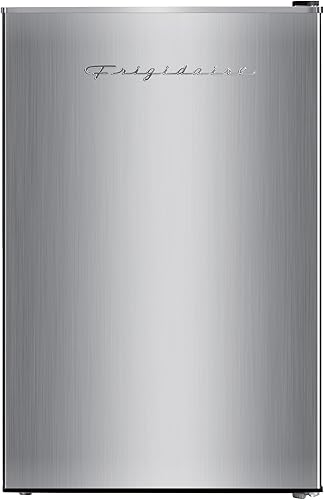 Best for shared groceries
Frigidaire 4.5 Cu Ft Platinum Compact Refrigerator
Igloo vs Frigidaire mini fridge: what is the main difference?
The main trade-off is automatic defrost versus door flexibility, with a larger-capacity Frigidaire available for buyers who need more storage. Start with those differences rather than the badge on the door.
The Igloo and Frigidaire EFR323 each have 3.2 cu ft of total capacity, including 3 cu ft for fresh food. The larger Frigidaire has a stated total capacity of 4.5 cu ft, making it the roomier choice here.
That extra room matters when lunch containers, bottles and groceries need to fit together. For drinks and a few snacks, the smaller models make more sense if they leave useful floor space free.
The Igloo uses automatic defrost, while both Frigidaire models require manual defrost. Both Frigidaires also have reversible doors, giving you more control over access beside a wall or piece of furniture.
If you're still deciding how much storage you need, use our mini fridge size guide. For a wider view of sizes and layouts, start with our best mini fridge guide.
Which model suits your groceries and daily routine?
Choose the Igloo for personal use, the larger Frigidaire for shared or overflow groceries, and the EFR323 for a smaller food load in an awkward room layout. None is the right choice simply because it holds the most.
Before comparing shelves, write down what you expect to keep cold during a normal week. Include the containers you actually use, especially tall bottles and wide lunch boxes.
Igloo vs Frigidaire mini fridge for one person's food
The Igloo suits a student or office worker storing drinks, lunches and a modest supply of snacks. Its slide-out glass shelves, tall bottle racks and vertical can storage help separate food from drinks.
Its main benefit is simpler routine frost care. That matters if the fridge is used daily and you don't want another appliance that needs planned manual defrosting.
Skip it if the door direction makes access awkward or if several people will share the same small food area. A higher score doesn't make it the better choice for a room it doesn't suit.
Frigidaire 4.5 cu ft for shared food and kitchen overflow
The larger Frigidaire suits roommates, shared snacks or extra kitchen storage. Its glass shelves, built-in can dispenser and 2L door basket help keep bottles from taking over the main shelves.
Choose it if grocery loads regularly include several containers alongside drinks. More room also makes it easier to see food without stacking everything into a deep pile.
Skip it if you'll mostly chill a few cans beside a desk. The larger cabinet takes floor space even when its shelves are nearly empty, and manual defrost remains part of its care.
Frigidaire EFR323 for a door that must open a certain way
The EFR323 suits buyers whose room layout rules out the Igloo's door arrangement. Its 2 glass shelves and large-bottle basket offer a clear way to divide lunches, snacks and drinks.
It makes sense when you want the smaller capacity but need to choose which side the door opens from. Its chiller compartment includes an ice cube tray.
Skip it if easier upkeep is your main goal, since it needs manual defrost. Also avoid committing to a tight space until you have confirmed the cabinet measurements.
For more detail on the first 2 options, compare our Igloo 3.2 cu ft mini fridge review with the Frigidaire 4.5 cu ft compact refrigerator review.
Which mini fridge fits your available space?
The Igloo needs less width and depth than the larger Frigidaire, but cabinet size is only the start. You also need ventilation clearance, usable door access and a clear delivery route.
The Igloo measures 17.13 in wide, 18.63 in deep and 32.5 in high. The larger Frigidaire measures 22 in wide, 21 in deep and 32 in high.
That puts them at similar heights, but their floor-space needs differ. Mark the cabinet footprint with removable tape to see whether it blocks a chair, walkway or nearby cupboard.
Confirm the EFR323's width, depth and height before ordering because its dimension figures need verification. Capacity doesn't establish cabinet shape, so don't assume it fits wherever the Igloo fits.
All 3 are freestanding models. A flush back on either Frigidaire doesn't mean it can be enclosed tightly in a cabinet.
How much room does the door need?
Allow enough space to open the door and remove shelves, rather than just reach a drink. A nearby wall can stop a door before it opens far enough for cleaning.
The Igloo has a left door orientation, so confirm the hinge position and swing against your room plan. With either Frigidaire, choose the hinge side before filling the fridge and follow its door-reversal instructions.
Measure doorways, stair turns and the path into the room too. Include space to carry the appliance safely without scraping the door or bending exposed parts.
Which model is better for frozen food?
The larger Frigidaire has the biggest freezer compartment here, but none offers much frozen-food space. Choose by the packages you need to store and the compartment's intended use.
Its freezer capacity is 0.3 cu ft, compared with 0.2 cu ft in the Igloo and EFR323. That small difference doesn't turn it into a freezer for a weekly frozen-food shop.
The Igloo's separate freezer compartment sits inside its single-door cabinet. Both Frigidaires describe their cold compartments as chillers, so check the manual's guidance before planning long-term frozen storage.
An ice cube tray fitting inside doesn't establish that every frozen meal or ice cream tub will fit. Package shape matters, especially when a wide box leaves little usable space around it.
If frozen meals are central to your routine, compare mini fridges with freezers before choosing. If you rarely freeze anything, consider a mini fridge without a freezer to focus the layout on chilled food.
How should you set up and organize either brand?
Set the fridge level, ventilated and ready to cool before loading groceries. Follow the exact model's instructions for placement, startup and any settling time after transport.
Choose a firm surface away from direct sun and nearby heat sources. These appliances need room to release heat, so keep the required space around the cabinet clear.
Both Frigidaires have leveling legs to help stabilize them. A cabinet that rocks or leans can make everyday door use awkward, so address that before filling the shelves.
Set temperature by the food area, not the knob position
Use an appliance thermometer to check the fresh-food area after the fridge has settled. A numbered control dial doesn't show the actual temperature beside your groceries.
The Igloo has an adjustable mechanical control and a refrigerator cooling range of 32–50°F. That range includes settings too warm for perishable groceries, so choose the setting around the food you're storing.
Make small adjustments and allow time for the temperature to settle before changing it again. Constantly turning the knob makes it harder to tell which setting suits the room and load.
If cooling remains poor, work through why a mini fridge may not be cooling before assuming the appliance needs replacement.
Arrange groceries around access and airflow
Put regularly used items where you can see and reach them. Use bottle baskets and can storage for suitable containers so loose drinks don't crowd out lunch boxes.
Leave space around food rather than packing every gap. Overfilling makes items harder to find and can prevent the door from sealing when a container sticks out.
Keep spill-prone food in closed containers and check shelf fit before buying a stack of meal-prep boxes. A container that fits through the door may still be awkward to lift out from under a shelf.
How do defrost and cleaning needs compare?
The Igloo reduces routine frost removal, while either Frigidaire needs planned manual defrosting. All 3 still need spill cleanup, clean seals and clear ventilation space.
Automatic defrost shouldn't be read as permission to ignore ice buildup in every compartment. Follow the Igloo's care instructions if frost begins to affect storage or door closure.
For either Frigidaire, plan defrosting when the fridge is lightly stocked and you have somewhere suitable to keep food cold. Account for meltwater before switching it off.
Never pry ice away with a knife or other sharp tool. Damage to an interior surface or cooling part can turn a care task into a much larger problem.
Our guide to how to defrost a mini fridge covers the process. Follow how to clean a mini fridge for routine interior care.
Wipe spills promptly, clean around the door seal and dry surfaces before restocking. Let cold glass shelves warm before washing them with warmer water to reduce the risk of cracking.
Which common buying mistakes should you avoid?
Avoid choosing by brand, capacity or a low-maintenance label alone. The most costly mismatch is a fridge that can't fit your room or the way you store food.
Buying too much cabinet for too little food: the larger Frigidaire helps with regular grocery loads, but its extra width may be wasted beside a desk holding only drinks. Plan around an ordinary week.
Assuming equal capacity means equal fit: the Igloo and EFR323 hold the same stated total volume. Their usable placement still depends on cabinet measurements, door access and ventilation.
Treating a chiller as a full-size freezer: decide what frozen items you need before buying. If those foods drive the decision, compartment guidance and package fit matter more than a small capacity difference.
Assuming no fan means silence: the Igloo uses static compressor cooling without a fan, but a compressor can still make sound. No measured sound figures are available here to name a quietest model.
If the fridge will sit near your bed or work chair, use our quiet mini fridge guide to compare noise considerations. Placement and a stable surface also deserve attention.
Comparing energy use from unclear figures: don't choose between these models using annual-use numbers that aren't directly comparable. Check the exact appliance's energy label if electricity use is a deciding factor.
Which Igloo vs Frigidaire mini fridge should you choose?
For Igloo vs Frigidaire mini fridge buyers, make the final decision in this order: fit, food load, door access and care. A model that fails the first check should leave your shortlist.
Choose Igloo when one person's groceries fit comfortably and less routine frost removal matters most. Confirm the door works in the intended spot before ordering.
Choose the Frigidaire 4.5 cu ft when you regularly need room for several food containers, bottles and shared snacks. Give its larger footprint enough space and plan for manual defrost.
Choose the Frigidaire EFR323 when you need the smaller capacity and a reversible door solves a specific access problem. Confirm its dimensions before treating it as the right fit.
If none meets your room layout, broaden the search rather than forcing a compromise. Our Midea vs Frigidaire mini fridge comparison gives you another set of options to match against the same measurements and grocery needs.
Frequently asked questions
Is Igloo or Frigidaire better for a mini fridge?
Choose Igloo for easier upkeep or Frigidaire for flexible door placement among these models. The larger Frigidaire also suits bigger grocery loads.
Start with the space available, then decide whether routine frost removal, door access or room for food matters most in your daily use.
Do the Igloo and Frigidaire 3.2 cu ft fridges have the same capacity?
Yes, both have 3.2 cu ft of total capacity, including 3 cu ft for fresh food and 0.2 cu ft for the freezer compartment. Equal capacity doesn't mean equal fit, though.
Compare cabinet measurements, shelf layout, door direction and defrost needs before choosing between them.
Which mini fridge has a reversible door?
Both Frigidaire models have reversible doors, while the Igloo has a left door orientation. Reversing the door can improve access beside a wall or desk.
You'll still need ventilation clearance and enough opening space to reach food, remove shelves and clean the inside.
Which model has the most freezer space?
The Frigidaire 4.5 cu ft has the largest freezer compartment here at 0.3 cu ft, compared with 0.2 cu ft in each smaller model. These are small compartments, so check package fit and the manual's storage guidance before relying on one for your usual frozen groceries.
Which mini fridge needs less defrosting?
The Igloo has automatic defrost, so it suits buyers who want less routine frost removal. Both Frigidaire models use manual defrost.
All 3 still need regular cleaning, clear door seals and proper ventilation, and you should follow the exact model's care instructions for its freezer or chiller compartment.