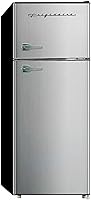
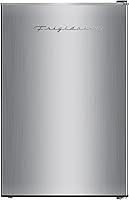
Can You Keep a Mini Fridge in the Garage?
Yes, a mini fridge for garage use can work if its approved operating range covers your garage’s temperatures. Check ventilation, electrical requirements, and interior cooling before relying on it for food storage.
On this page (8 sections)
- How do you choose a mini fridge for garage use?
- What can garage temperatures do to a mini fridge?
- How should you monitor a garage fridge?
- Where should a mini fridge go in a garage?
- What should you do before loading the fridge?
- Which garage fridge mistakes should you avoid?
- What if the fridge stops cooling in the garage?
- Which garage setup should you choose?
Yes, a mini fridge for garage use can work if its approved operating range covers your garage’s temperatures and you provide the required ventilation. Check the manual before choosing a spot, especially in an unheated garage.
Start with the space, then choose the appliance. A compact fridge that fits neatly beside a workbench may still be unsuitable if summer heat or winter cold falls outside its limits.
How do you choose a mini fridge for garage use?
Choose by temperature range first, storage needs second, and physical fit third. Extra capacity or a freezer compartment won't help if the fridge cannot operate in your garage.
Match a garage mini fridge to seasonal temperatures
Check the manual’s permitted ambient range against the garage’s hottest and coldest conditions. A comfortable reading on a mild afternoon tells you little about a summer heat wave or a freezing night.
Measure near the planned location, away from direct sun and the fridge’s exhaust heat. If you only have readings from one season, leave the year-round suitability question open until you can establish the likely extremes.
“Garage-ready” describes suitability for certain surrounding temperatures; it doesn't mean every garage is suitable. See whether you need a garage-ready refrigerator for help deciding which type to consider.
Choose storage around what you'll actually keep
For drinks, check shelf spacing and door storage against your usual bottles and cans. For overflow groceries, prioritize usable shelf area and room to separate containers without blocking internal airflow.
Decide whether you need frozen storage before buying. A small freezer compartment may crowd the fridge section, while a separate freezer door changes the storage layout and space needed to open it.
Our mini fridge size, freezer, and brand guide can help narrow those choices. Measure your normal weekly load rather than choosing capacity from the outside dimensions alone.
Measure beyond the cabinet footprint
Allow for ventilation, the plug, and the full door swing, not just cabinet width and depth. Check whether shelves or drawers need the door open wider than a right angle to come out.
Leave a clear walking route beside the fridge. A position that forces you to move tools or squeeze past a parked car makes everyday use and cleaning harder.
What can garage temperatures do to a mini fridge?
Heat and cold can both interfere with steady cabinet temperatures. The effect depends on the appliance’s controls, cooling system, and approved operating conditions.
In hot surroundings, a fridge has more heat to remove and may run longer. Direct sun, nearby heaters, and blocked vents add to that burden.
Cold surroundings can affect how some refrigerator controls cycle the cooling system. In a model with a freezer compartment, that can also affect frozen storage, even when the garage itself feels chilly.
Turning the control colder doesn't make an unsuitable appliance garage-ready. If conditions exceed its limits, move it to a suitable room or choose a model approved for the space.
How should you monitor a garage fridge?
Check garage air and cabinet temperature separately. An ambient reading tells you about the installation conditions, while an interior reading tells you what your food or drinks experience.
Place an interior sensor where air can circulate around it, following its instructions. Avoid contact with cooling surfaces, which can give a misleading picture of the rest of the cabinet.
GoveeLife suits people who want remote warnings
The GoveeLife WiFi Fridge Thermometer with Alarm includes 2 sensors and a gateway, with app, email, and buzzer alerts for temperatures outside your chosen range. It suits a detached or rarely visited garage where you might miss a local display.
Remote monitoring needs 2.4 GHz WiFi, and walls or distance can reduce connection range. Confirm reception at the intended location before relying on phone alerts.
The buzzer is muted by default, so enable it if you want audible warnings; silencing an active buzzer requires pressing the device’s side button. Skip this system if you prefer a simple display and don't want another connected device to manage.
VOULOIR suits regular visual checks
The Waterproof Digital Fridge Thermometer with Max/Min shows current, highest, and lowest temperatures together on its LCD screen. The 4-pack suits people who want separate checks in several storage areas without WiFi setup.
A stand, hook, and magnetic back offer several placement options. Its IPX3 moisture resistance suits damp refrigerator conditions, but doesn't make it suitable for submersion.
Rebooting resets the maximum and minimum readings, so record anything useful first. Skip it if you need remote warnings, since checking a display depends on someone being there.
Where should a mini fridge go in a garage?
Place it on a dry, stable surface, away from heat, water, heavy dust, and vehicle paths. Keep the manufacturer’s required clearances open after you add nearby shelving or storage.
Position the fridge where you can reach its plug without shifting the appliance. Keep the cord clear of wheels, sharp edges, and anything that could pinch it.
Use a stand when you need access underneath
The Adjustable Mini Fridge Stand with Leveling Feet suits a setup where you want cleaning space beneath the cabinet. Its frame adjusts from 17 to 26 in in length and width, with a height range of 4 to 5 in.
The stand has 4 fixed support feet and a stated capacity of up to 400 lb. Match the appliance’s loaded weight and foot positions to the base, then follow the fridge’s leveling instructions.
Skip it if the fridge’s feet cannot sit securely on its supports or the added height crowds overhead storage. A stand doesn't correct a wet location or replace required ventilation clearance.
Use a mat for small drips
The 24-Inch Silicone Mini Fridge Drip Mat suits floors where occasional drips need containing. It is nominally 24 x 24 in, with a 0.5-in raised edge; the stated product dimensions are 23.6 x 23.6 in.
Measure the usable space and the door’s lowest edge before buying. Skip it if the feet won't fit securely inside or the lip catches the door.
Wipe away collected water and check underneath for trapped moisture. Treat repeated water buildup as a problem to find and fix, rather than a reason to leave the tray full.
What should you do before loading the fridge?
Follow the transport and startup instructions, then confirm stable cooling before adding perishables. Don't fill a newly installed cabinet and assume the dial setting proves it is ready.
If the appliance traveled on its side, follow its specified upright waiting period before connecting power. Read whether you can lay a mini fridge on its side before moving it.
Use a suitable wall outlet within reach of the original cord and follow the manual’s circuit requirements. Don't route power across a garage walkway or through a door opening.
Once the fridge is cooling as directed, load it without packing items against internal vents. Leave space for air movement, and avoid frequent door openings while the cabinet settles after loading.
Which garage fridge mistakes should you avoid?
Avoid blocked airflow, neglected seals, and unnoticed seasonal changes. These can undermine a setup that worked well when you first installed it.
Don't turn the fridge top and surrounding clearance into storage space. Check the manual before putting anything on the cabinet, and keep vents clear of dust and clutter.
Clean spills promptly and wipe the door gasket so debris doesn't interfere with closure. Our mini fridge cleaning guide explains routine care.
Follow the manual for frost removal and accessible vent or coil cleaning. Never chip ice away with a sharp tool, and unplug the appliance before maintenance when instructed.
Recheck conditions when the weather changes, after moving the fridge, or after rearranging the garage. A new shelf or stacked box can block airflow that was previously clear.
What if the fridge stops cooling in the garage?
Check ambient temperature, ventilation, power, and door closure before assuming the appliance has failed. Use the interior thermometer to establish what is happening rather than judging by how cold a bottle feels.
Confirm the control setting and make sure containers aren't holding the door open. If the garage is outside the permitted range, changing the dial won't solve the installation problem.
Use why a mini fridge may not be cooling to work through other common causes. Move perishables to reliable cold storage promptly, and assess any uncertain temperature history before using them.
Which garage setup should you choose?
Choose a mini fridge for garage use only after its operating limits, storage layout, and installation requirements fit your space. If any of those fail, solve that mismatch before buying accessories.
For remote temperature warnings, choose GoveeLife; for routine visual checks, choose VOULOIR. Add the stand only when secure support and cleaning access justify it, and the mat only when its footprint and door clearance fit.
If you're still deciding between appliance types, read garage-ready versus regular refrigerators. Once you know your garage’s conditions, compare compact refrigerators for the garage and choose mini fridges for garage use by their exact operating limits.
Frequently asked questions
Can a mini fridge work in an unheated garage?
Yes, if the garage stays within the fridge’s approved operating range throughout the year. Check winter lows as well as summer highs before choosing a model.
Monitor the cabinet separately, since cold garage air does not prove that the fridge or its freezer compartment is holding the right temperature.
Does a garage need a garage-ready mini fridge?
Choose a garage-ready mini fridge when its approved temperature range fits conditions that an ordinary indoor model cannot handle. The label alone is not enough to make that decision.
Compare the exact model’s operating limits and installation requirements with your garage’s seasonal temperatures before buying.
Where should I place a mini fridge in a garage?
Place it on a dry, stable surface with the ventilation clearance required by its manual. Keep it away from direct sun, heaters, water, and vehicle paths.
Allow enough room for the door to open fully, and keep stored boxes and tools from blocking its vents.
Can I use an extension cord for a garage mini fridge?
Plan for a suitable wall outlet within reach of the fridge’s own cord, and follow the appliance manual’s electrical instructions. Do not use an extension cord to work around a prohibited setup.
If the outlet location or circuit is unsuitable, ask a qualified electrician about the connection.