Garage-Ready vs Regular Refrigerator: Does It Matter? (October 2026)
A garage-ready refrigerator is intended for garage conditions, but the label alone doesn't tell you its temperature limits. Check the exact model's approved operating range before placing either type in an unheated or hot garage.
On this page (8 sections)
- Garage-ready refrigerator vs regular: what is the difference?
- Which Frigidaire fits a garage better?
- When does a regular refrigerator make more sense?
- Does a garage-ready refrigerator use less electricity?
- What should you measure before placing a refrigerator in a garage?
- How do you choose between the two refrigerators?
- Which refrigerator should you choose?
- Sources
A garage-ready refrigerator is intended for garage conditions, while a regular refrigerator needs its approved placement conditions checked just as carefully. For a garage, basement or cabin, confirm the exact model's allowed room-temperature range before you buy.
The main difference is the environment each refrigerator is designed to handle. A garage can get much hotter or colder than a home, and a refrigerator that runs well indoors may struggle outside its approved range.
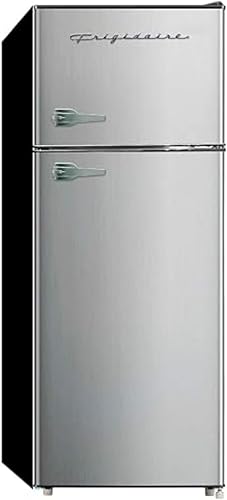
The Frigidaire garage-ready model offers 7.5 cu ft and a separate freezer. Its apartment-size counterpart has the same capacity, and Frigidaire names garage placement for that model too, so compare operating limits rather than names alone.
 Best for garage storage
Frigidaire 7.5 Cu Ft Garage-Ready 2-Door Refrigerator
 Best for indoor use
Frigidaire 7.5 Cu Ft 2-Door Apartment Refrigerator
Garage-ready refrigerator vs regular: what is the difference?
Garage-ready identifies intended garage use, but it doesn't tell you the precise temperature limits. Use the model's manual to check its permitted operating conditions.
A regular refrigerator may suit a climate-controlled indoor space. An unheated garage, shed or basement can fall outside the conditions its controls and cooling system are designed for.
The term doesn't replace basic setup requirements. Both types need suitable clearance, a stable floor and a power connection that follows the manual.
Does garage-ready mean the refrigerator can handle any weather?
Garage-ready doesn't mean all-weather use. Don't assume the refrigerator can run at every temperature or stand outdoors in wet conditions.
The allowed range is model-specific. Read the manual and compare its temperature guidance with the warmest and coldest conditions where the refrigerator will stand.
If the garage temperature varies widely, track it through the year. A mild day when you install the refrigerator won't show how hot or cold the space may become later.
Which Frigidaire fits a garage better?
The Frigidaire 7.5 Cu Ft Garage-Ready 2-Door Refrigerator is the clearer starting point when garage placement is the priority. Frigidaire identifies it as garage-ready and describes insulation and sealing intended to support consistent operation.
It measures 22.4 in wide, 21.5 in deep and 55.5 in high. The separate top freezer, adjustable thermostat and reversible door can help you plan food storage and placement.
The garage-ready label still doesn't answer whether the model suits your local temperature extremes. Check its manual before you install it, and leave the clearances the manual requires.
The guide to choosing a garage-ready refrigerator explains what to check before making the call. For a smaller space, see our compact refrigerators for the garage.
When does a regular refrigerator make more sense?
A regular refrigerator can suit a temperature-controlled indoor room when garage-ready operation isn't needed. Choose by the room, storage layout and exact dimensions rather than assuming one type is always better.
The Frigidaire 7.5 Cu Ft 2-Door Apartment Refrigerator is 21.5 in wide, 23 in deep and 55.5 in high. It has removable shelves, a crisper, a reversible door and a separate freezer.
Frigidaire names garages among its placement options, alongside kitchens, offices and dorms. Confirm the permitted operating range before choosing it for an unheated or hot garage.
For a compact unit in a room, use our mini fridge size guide to compare capacity and dimensions. If garage placement is still on your list, our garage mini fridge guide covers temperature and setup.
Does a garage-ready refrigerator use less electricity?
The garage-ready label alone doesn't establish which refrigerator uses less electricity. Compare annual energy figures for the exact models and remember that room conditions and daily use affect actual consumption.
Both of the 7.5 cu ft Frigidaire models have an annual energy figure of 378 kWh. Their figures are the same, but that doesn't guarantee they'll use that amount in every room.
Room temperature can affect energy use, along with door openings, airflow and the temperature setting. An annual consumption figure also doesn't tell you the refrigerator's running wattage.
See our guide to mini fridge electricity use for the factors that shape energy use. For garage placement, check the manual's temperature range rather than using energy figures as a substitute.
What should you measure before placing a refrigerator in a garage?
Measure the refrigerator's delivery route, final footprint and clearance before delivery. Include doorways and turns, the space needed to open the refrigerator, and the ventilation clearances in its manual.
The 7.5 cu ft garage-ready Frigidaire has a flat-back design and a reversible door. Those features can help with placement, but they don't remove the need to leave room for the door and required airflow.
Check the floor for a level, stable surface. Follow the manual's guidance on heat, moisture and the electrical setup.
If the garage doubles as a workshop or storage room, keep paths to the refrigerator clear. You'll need to open the doors fully and reach the shelves without moving stored items each time.
How do you choose between the two refrigerators?
Choose by approved room temperatures, dimensions and storage layout. Both Frigidaire refrigerators hold 7.5 cu ft and include a separate freezer, so capacity alone won't settle the choice.
The garage-ready model is the more direct starting point for a space outside the home's climate control. Its designation and insulation features address garage use, while its operating limits still need confirmation.
The apartment model can fit a kitchen, office or dorm where the room stays within its operating conditions. It has the same capacity, though its cabinet is 1.5 in deeper and 0.9 in narrower than the garage-ready model.
For either one, confirm the dimensions, door swing and required clearance. If you want a smaller refrigerator for garage storage, compare options in our garage refrigerator guide.
Which refrigerator should you choose?
Pick the garage-ready Frigidaire if garage use is central and its manual allows your garage's temperature range. Pick the apartment model for a stable indoor room where its size and separate freezer fit your needs.
For a garage-ready refrigerator vs regular refrigerator decision, the final check is the exact model's operating instructions. Measure the room and delivery path, confirm clearances, and check the defrost instructions before buying either model.
If you're deciding whether a compact unit can handle the garage, start with our guide to keeping a mini fridge in the garage.
Sources
The two Frigidaire refrigerators are linked below, followed by general refrigerator energy guidance.
- Frigidaire 7.5 Cu Ft Garage-Ready 2-Door Refrigerator: See it on Amazon
- Frigidaire 7.5 Cu Ft 2-Door Apartment Refrigerator: See it on Amazon
- ENERGY STAR residential refrigerators
- U.S. Department of Energy: Refrigerators and freezers
Frequently asked questions
What makes a refrigerator garage-ready?
A garage-ready refrigerator is intended for garage conditions, but the label alone doesn't establish its operating limits. Frigidaire describes insulation and sealing on its garage-ready model as supporting consistent operation.
Check the exact model's manual for the allowed surrounding temperatures before choosing a place for it.
Can a regular refrigerator go in a garage?
It may work if the garage stays within the refrigerator's approved room-temperature range. Check the manual for your exact model and track garage temperatures through the seasons before deciding.
A brand naming garage placement doesn't mean the refrigerator is suitable for every hot or cold garage.
Is a garage-ready refrigerator more energy efficient?
The garage-ready label alone doesn't show which refrigerator will use less energy. Both Frigidaire models here have an annual energy figure of 378 kWh.
Compare figures for the exact models, then account for room temperature, how often you open the door and the space around the refrigerator.
Can I use a mini fridge in a garage?
A mini fridge can work in a garage if the surrounding temperature stays within its approved range. Small size doesn't make it garage-ready, so check the manual before you set one up.
Our guide to keeping a mini fridge in the garage covers the placement questions.
Should I buy a garage-ready refrigerator?
Choose a garage-ready refrigerator if its approved operating range covers the conditions in your garage. The label alone isn't enough to make that decision.
For a climate-controlled kitchen, office or dorm, an apartment model may suit the space; compare its dimensions and freezer layout with your needs.


